
Bachelor of Science in Pharmaceutical Sciences
The five-year Bachelor of Science in Pharmaceutical Sciences (BSPS) program, first implemented this 2018, is designed to equip the students with the fundamental principles of pharmaceutical sciences, grounded in sound principles from different broad and different fields such as biology, chemistry, and mathematics. It answers the need for more experts, leaders, managers, and innovators in the field of pharmaceutical sciences. Candidates also undergo different internship programs which will expose them to the different fields of pharmacy, such as community, hospital, manufacturing, social and administrative, and regulatory pharmacy.


The BSPS program will produce graduates who are able to innovate, lead, manage, communicate, and collaborate in their chosen career paths. The program aims to provide them with the key competencies that will enable them to fully apply themselves in any specialization within the Pharmaceutical Sciences. Graduates of the program are not only capable problem-solvers and decision makers, they can also serve as effective partners with other scientists, industry professionals, and administrators. The graduates may also immerse themselves in drug and product development research. The graduates will also develop a set of values and ethics that will drive them to serve society during their professional career.


At the end of the program, the graduate is expected to:
- Practice pharmacy in a professional, legal and ethical manner to serve the Filipino people;
- Effectively communicate pharmaceutical product information and research outputs in the pharmaceutical sciences to key stakeholders through different types of media;
- Conduct ethical and relevant researches that focus on design, development, and manufacture of medicines;
- Work collaboratively with inter- and multi-professional pharmaceutical industries and other related fields;
- Pursue life-long learning for professional development towards nation building;
- Apply the principles of product lifecycle management in ensuring operational efficiency;
- Evaluate the safety, efficacy, quality, and cost of pharmaceutical products; and,
- Formulate pharmaceutical products designed to achieve optimum therapeutic outcomes.
Download: BSPS Curriculum
At the end of their first year, the students must be able to:
Core
1. Discuss the importance of pharmacy as a health profession;
2. Perform pharmaceutical calculations;
3. Demonstrate Good Laboratory Practice; and,
4. Understand the application of inorganic and organic chemistry in pharmacy practice.
Major
1. Demonstrate understanding of basic chemical, physical, and biological principles relevant to pharmaceutical
sciences; and,
2. Characterize the structure-function relationship of organic compounds using physicochemical methods.
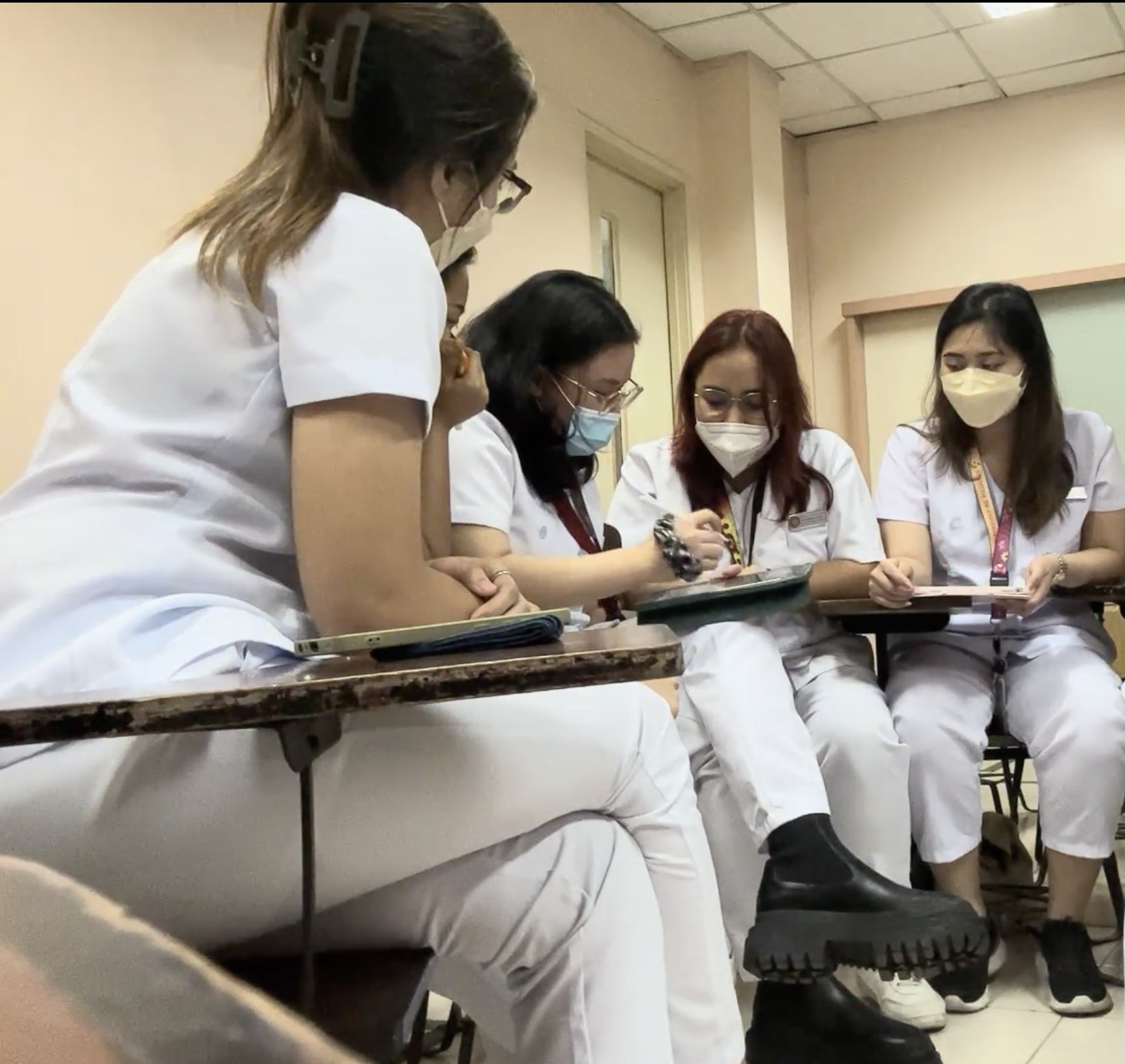
Overview of the scope of pharmacy practice in the Philippine context including descriptions of various fields and career opportunities.
Course Outcomes:
- Understand the value system of the pharmacy profession and the required
competencies of pharmacists in various practice settings; - Identify significant events in the evolution of the pharmacy profession; and,
- Describe the different national, regional and international organizations of pharmacy
and their role in the development of the profession and practice of pharmacy.

Calculations in the preparation, and safe and effective use of pharmaceuticals.
Course Outcomes:
- Calculate various expressions of concentration in the preparation of solutions
- Calculate doses of medication in prescriptions and contemporary compounding.
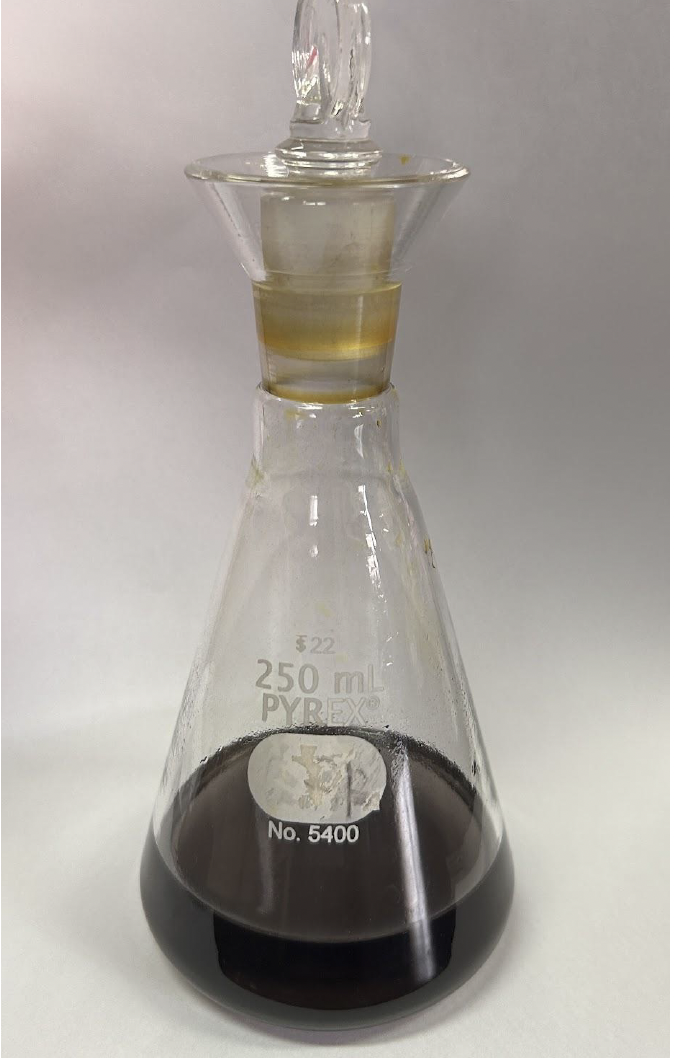
Concepts and principles in pharmaceutical inorganic chemistry and its applications in general methods of analysis.
Course Outcomes:
- Explain the uses of pharmaceutically important inorganic compounds based on their physicochemical properties
- Discuss basic titrimetric and instrumental concepts of assessing the quality of selected pharmaceutically important inorganic compounds and pharmaceutical preparations.
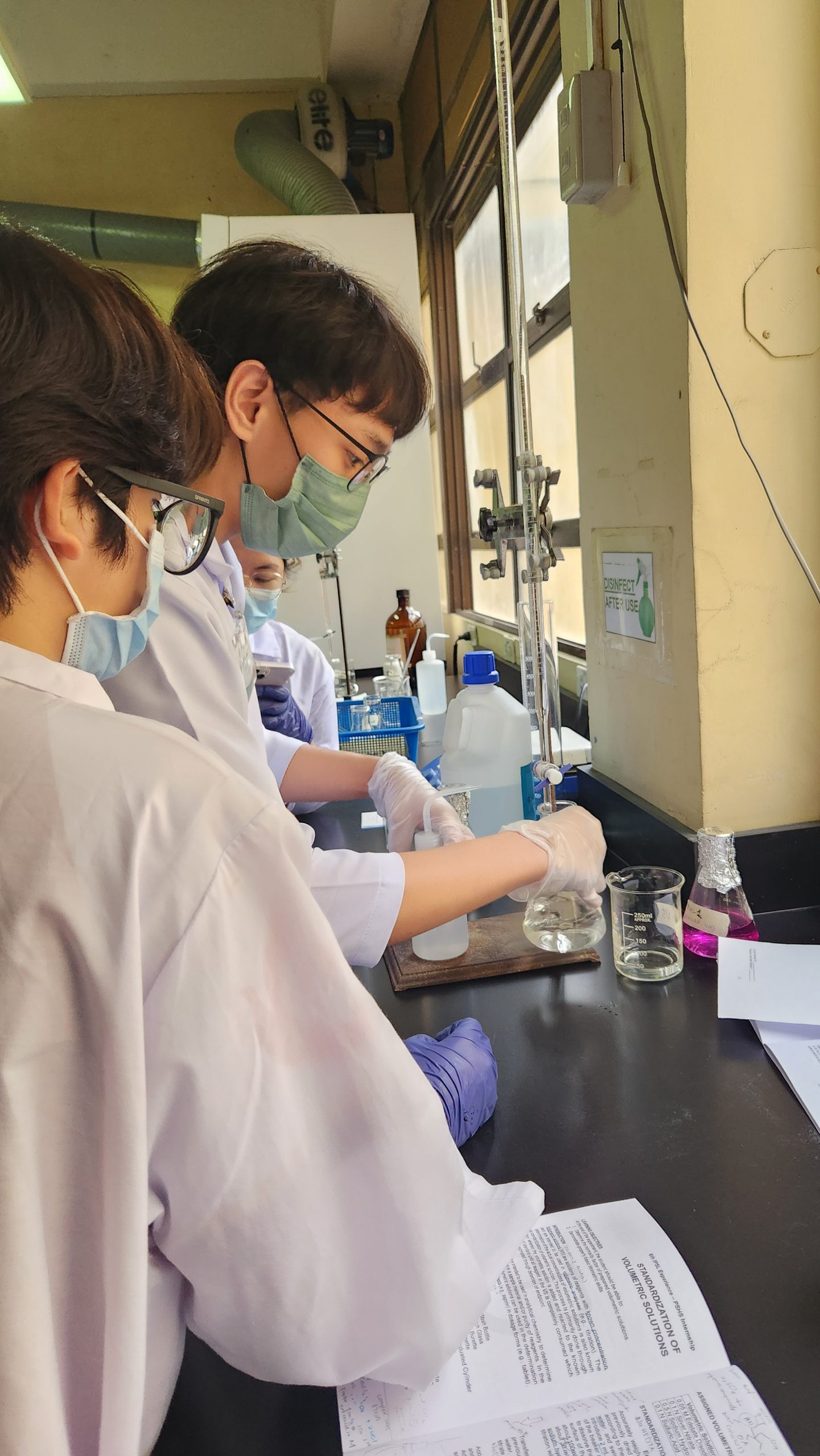
Qualitative and quantitative methods of the analysis of inorganic pharmaceuticals
Course Outcomes:
- Identify inorganic chemical species through systematic qualitative tests;
- Describe the pharmaceutical applications of selected inorganic pharmaceuticals
through experimental methods; - Discuss selected methods of limit tests for the determination of purity of
pharmaceutical raw materials; and, - Perform the different titrimetric methods of analysis of selected inorganic
pharmaceuticals.
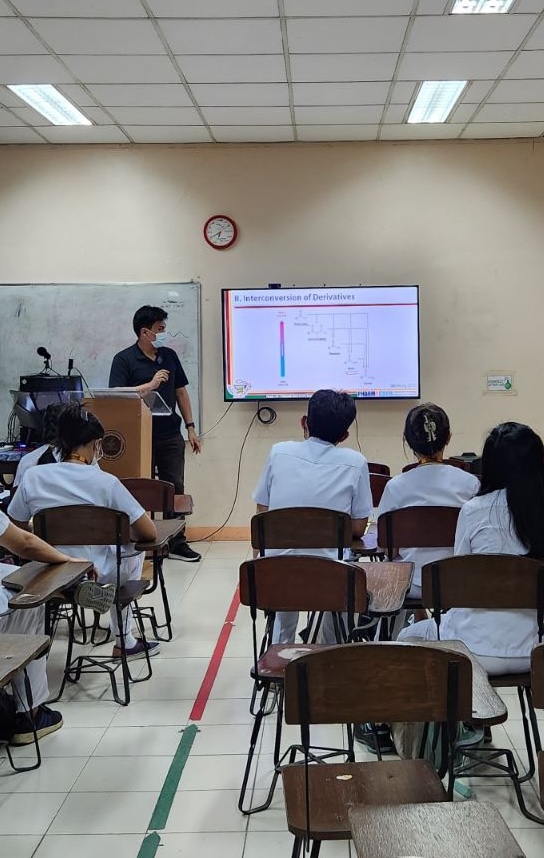
Structure, function, and reactivity of pharmaceutically relevant organic compounds
Course Outcomes:
- Identify the functional groups present in pharmaceutically relevant organic compounds
- Name and draw structures of organic compounds
- Discuss the relationship of the physical and chemical properties of functional groups of pharmaceutically relevant organic medicinals to their structures
- Explain basic organic reactions in synthetic, pharmaceutical, and biochemical processes.
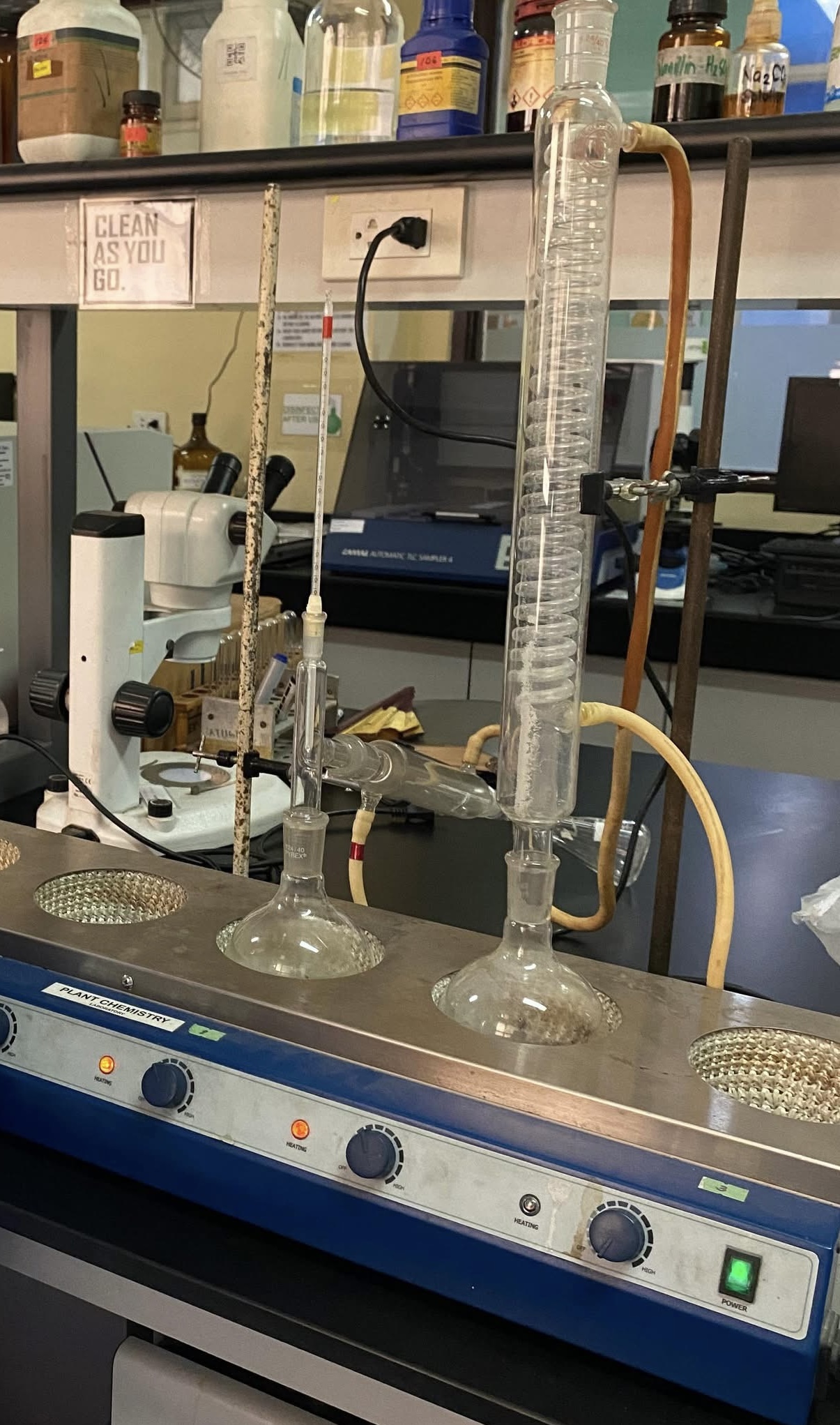
Investigation of relationship of structure with function and reactivity of pharmaceutically relevant organic compounds using physical and chemical methods.
Course Outcomes:
- Relate the structure of organic compounds to its physicochemical properties;
- Categorize organic medicinals according to functional groups using chemical tests;
- Explain results of chemical tests on organic compounds based on structural effects and chemical reactivity; and,
- Characterize an unknown organic medicinal using physical and chemical methods.
At the end of their second year, the students must be able to:
Core
1. Identify legal and regulatory issues that affect the practice of pharmacy;
2. Apply statistical methods in pharmacy;
3. Demonstrate product knowledge on medicines;
4. Explain the drug development process;
5. Discuss microbiological principles in the growth and control of microorganisms in the pharmaceutical industry and health care settings;
6. Describe biological and physiological concepts in drug development and patient care;
7. Demonstrate knowledge and skills in identifying different dosage forms and drugs of biological origin; and
8. Characterize raw materials of synthetic and biological origin and various pharmaceutical dosage forms.
Major
1. Demonstrate proper laboratory techniques in the execution of instrumental methods; and
2. Prepare pharmaceutically relevant raw materials using organic synthetic methods.
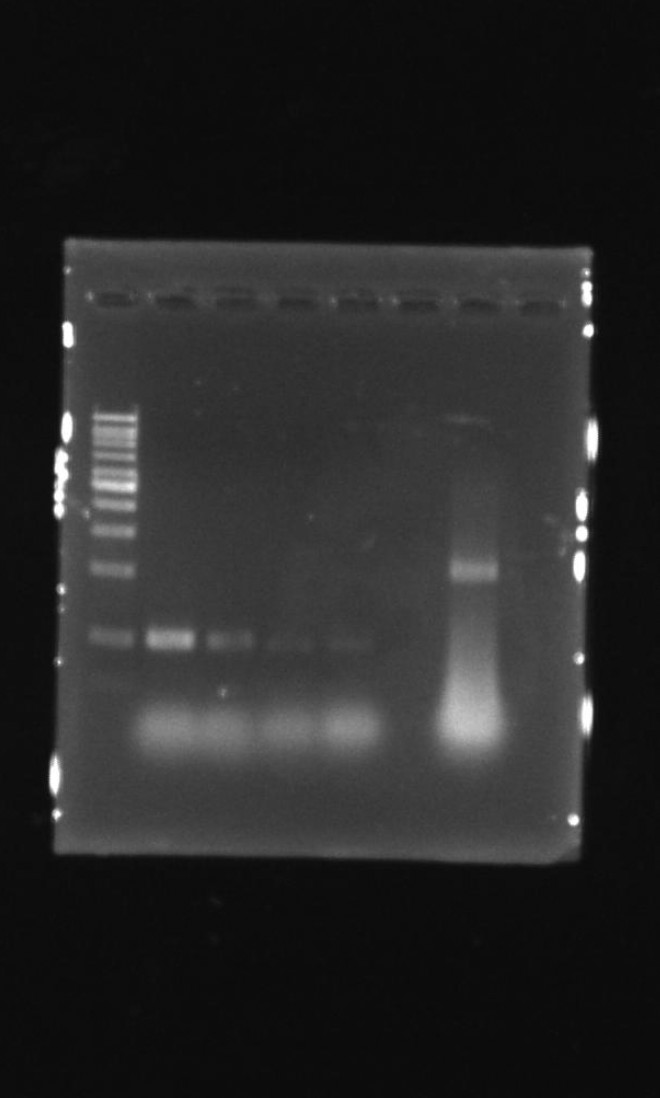
Metabolism of biological molecules in the normal and diseased states of the human body, with emphasis on biochemical pathways as potential drug targets
Course Outcomes:
- Describe how the molecular machinery of living cells work
- Explain the principles that govern the metabolism of macromolecules;
- Discuss the principles and basic mechanisms of metabolic control and molecular signaling
- Utilize molecular and metabolic knowledge of normal conditions and disease states to solve clinical case problems and predict possible drug targets
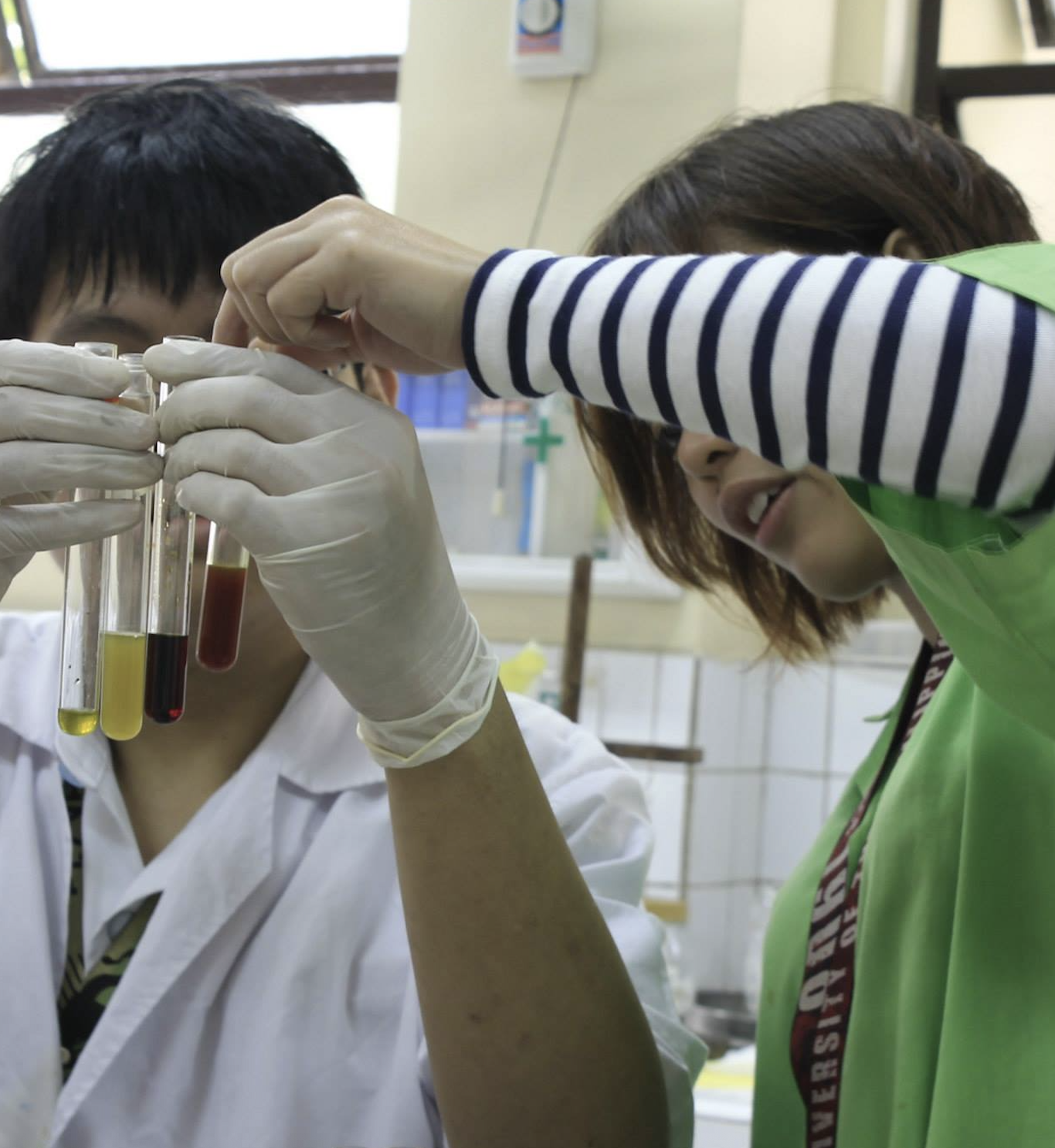
Fundamental techniques in extraction and characterization of proteins, carbohydrates, lipids, and nucleic acids relevant to the practice of pharmacy.
Course Outcomes:
- Know the chemical characteristics of major biomolecules
- Understand the principles behind biochemical tests
- Perform qualitative and quantitative determination of biomolecules
- Identify biochemical properties based on experimental results
- Correlate the obtained results with the characteristics of biomolecules and their clinical impact
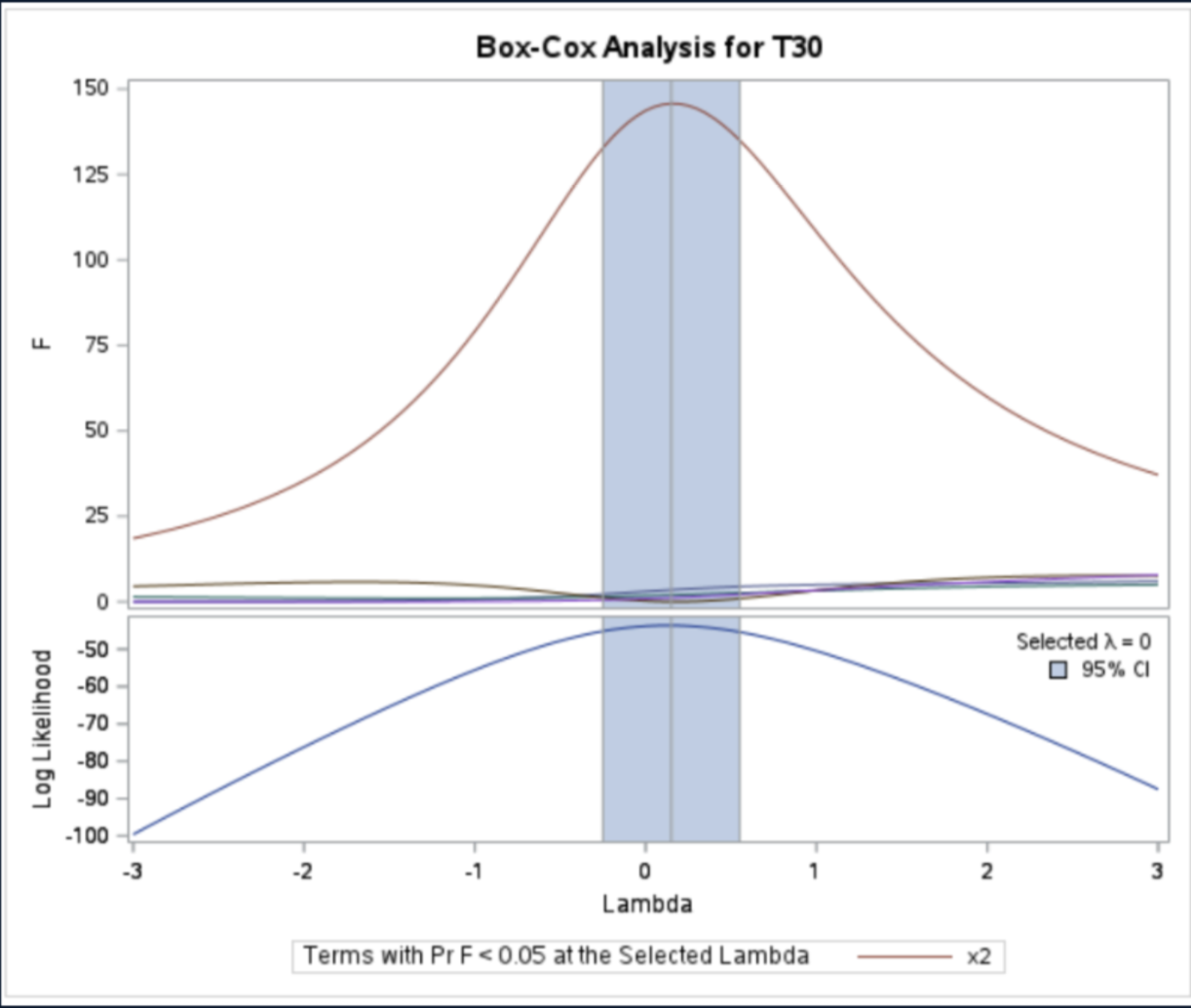
Application of statistical methods in pharmacy
Course Outcomes:
- Describe the role of statistics in pharmacy practice and pharmaceutical sciences
- Calculate sample size for basic study designs
- Organize data in the form of frequency tables and graphs
- Interpret various summary measures to describe data
- Perform the appropriate statistical methods for the selected basic study design
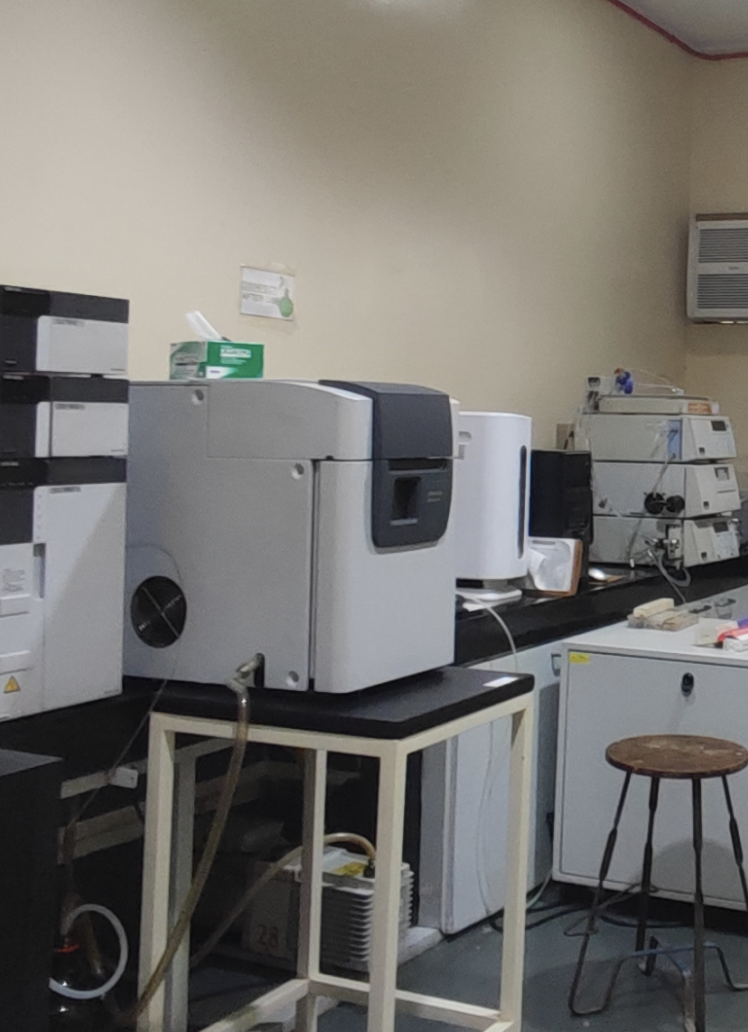
Spectrometric and separation methods used in the analysis of pharmaceutical compounds and products.
Course Outcomes:
- Apply different instrumental methods in the assay of raw materials, impurities, pharmaceutical products, and other pharmaceutically important compounds.
- Interpret assay results based on pharmacopeial performance characteristics and monograph requirements.
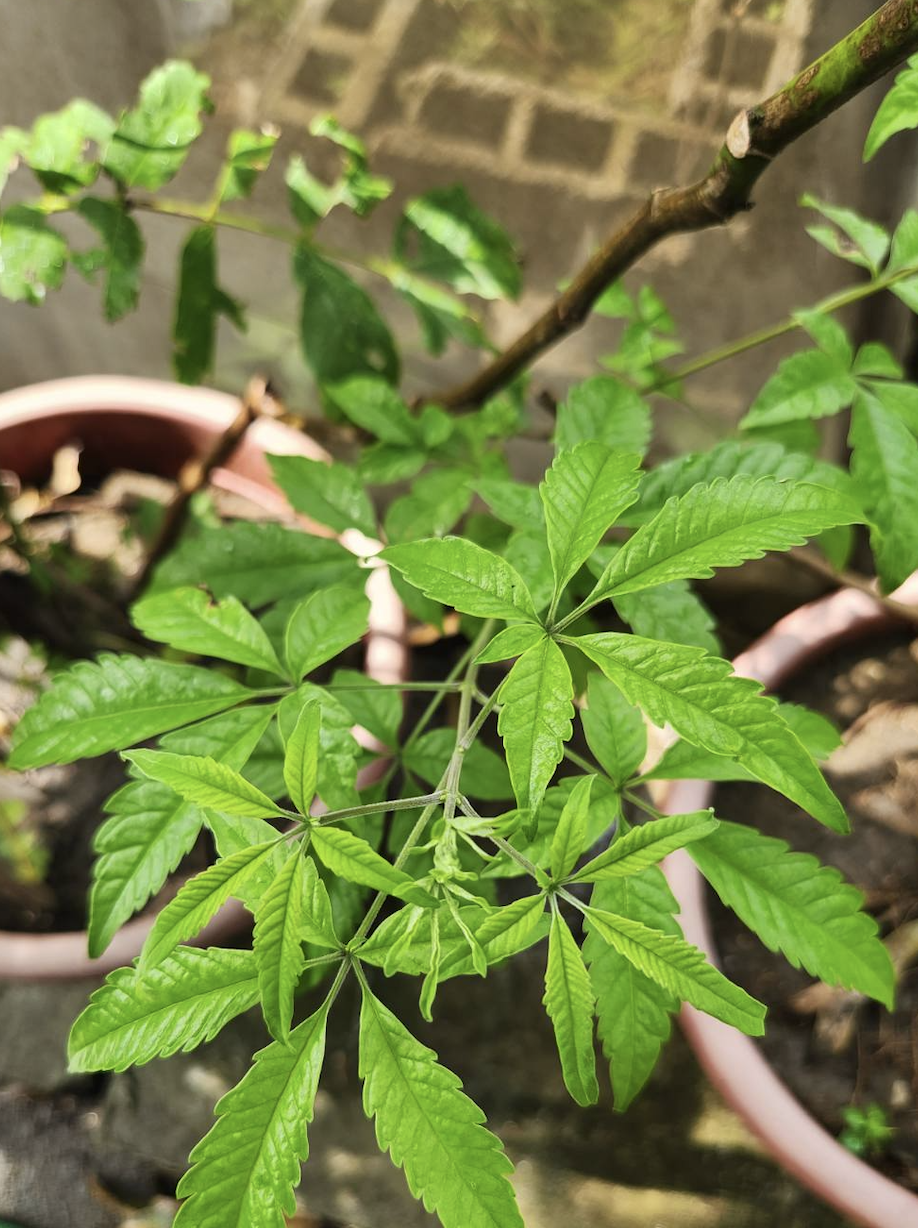
Composition and pharmaceutical uses of the most commonly used natural products.
Course Outcomes:
- Identify the origin, sources, occurrences, and pharmaceutical uses of natural products with emphasis on those of Philippine origin
- Characterize the natural products based on their physicochemical properties
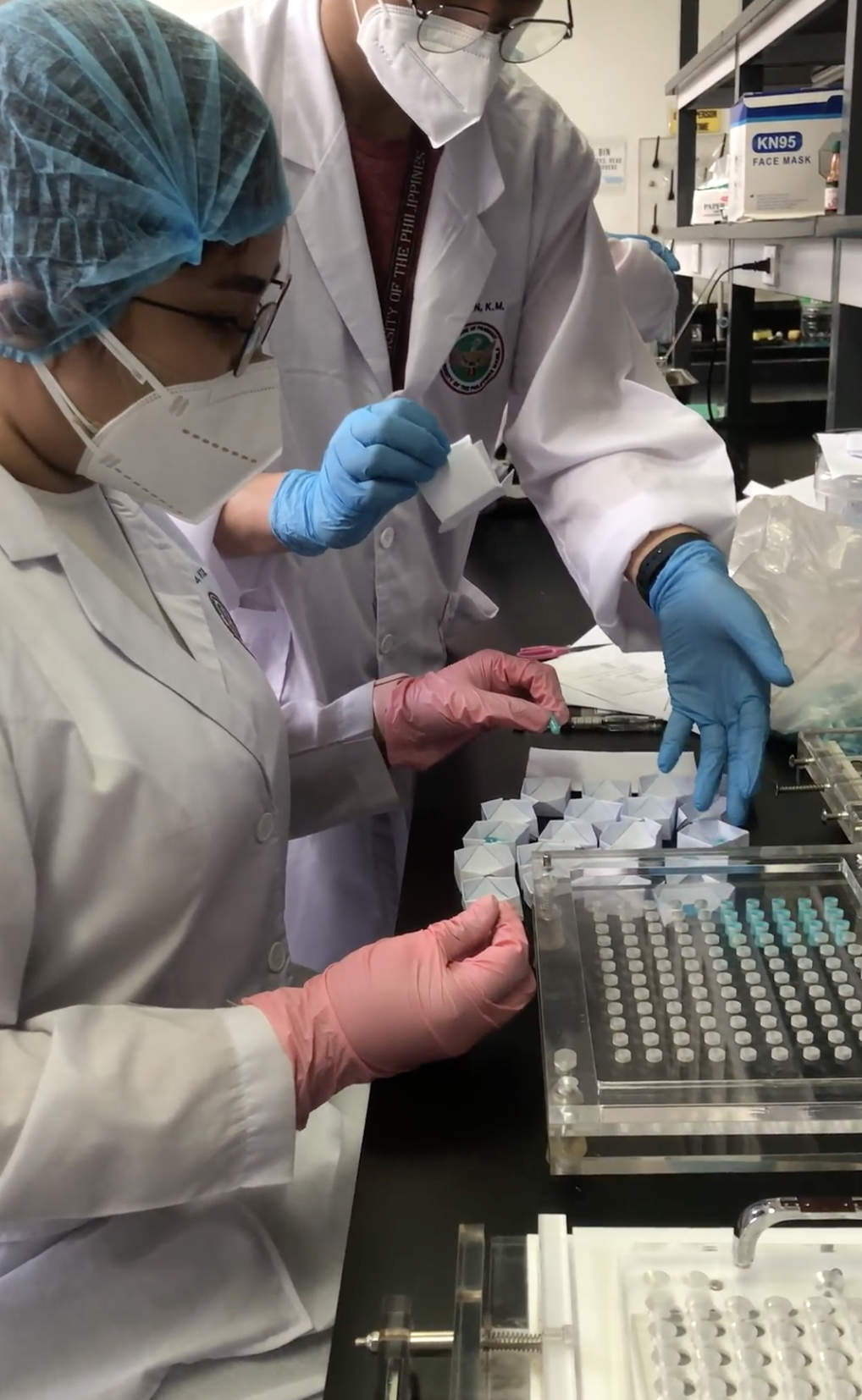
Pharmaceutical dosage forms with focus on the scientific background and technical aspects of pharmaceutical dosage form design
Course Outcomes:
- Characterize the physicochemical properties of active pharmaceutical ingredients and excipients;
- Prepare pharmaceutical dosage forms; and,
- Characterize various types of pharmaceutical dosage forms.
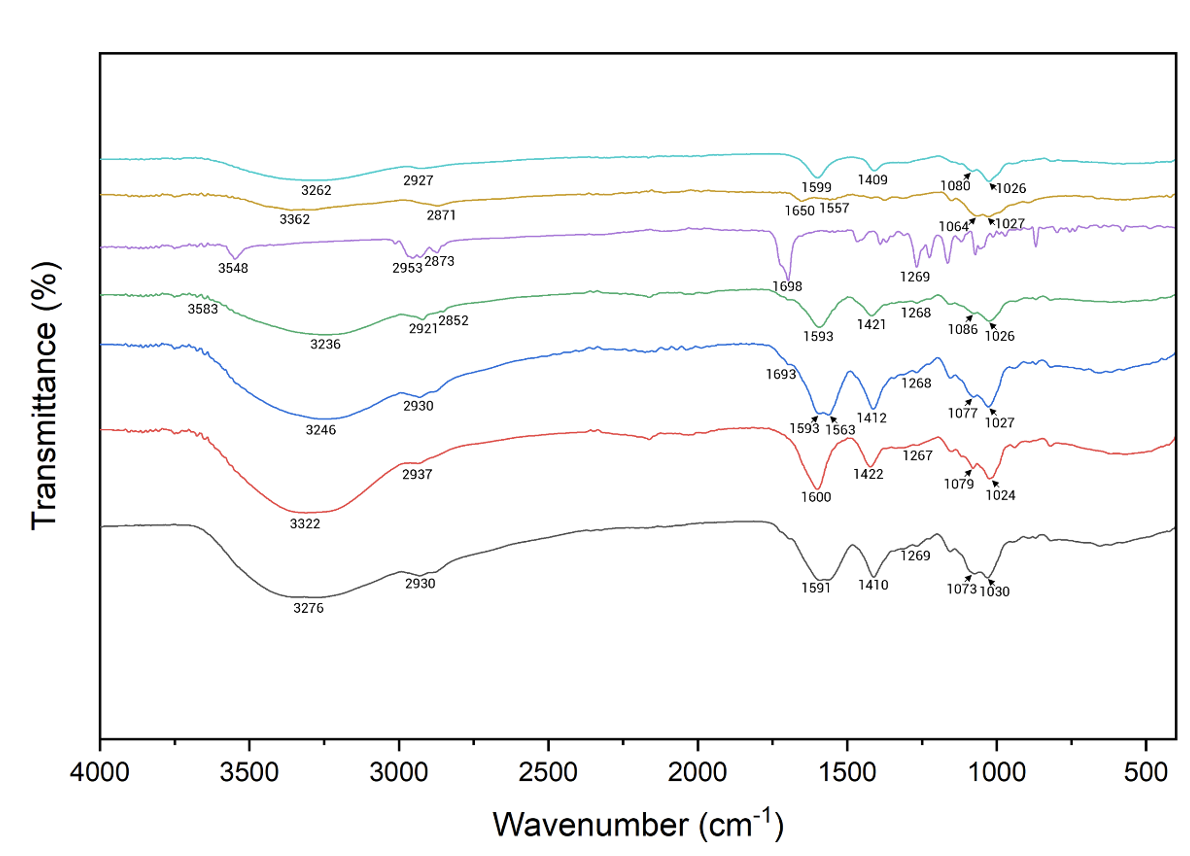
Synthetic reactions and spectroscopic analysis of pharmaceutically relevant organic compounds
Course Outcomes:
- Explain the mechanisms of reactions of organic compounds.
- Utilize retrosynthetic analysis to identify possible synthetic schemes towards medicinal compounds and/or their analogues.
- Relate the spectral data to the structure of the pharmaceutically relevant organic compounds
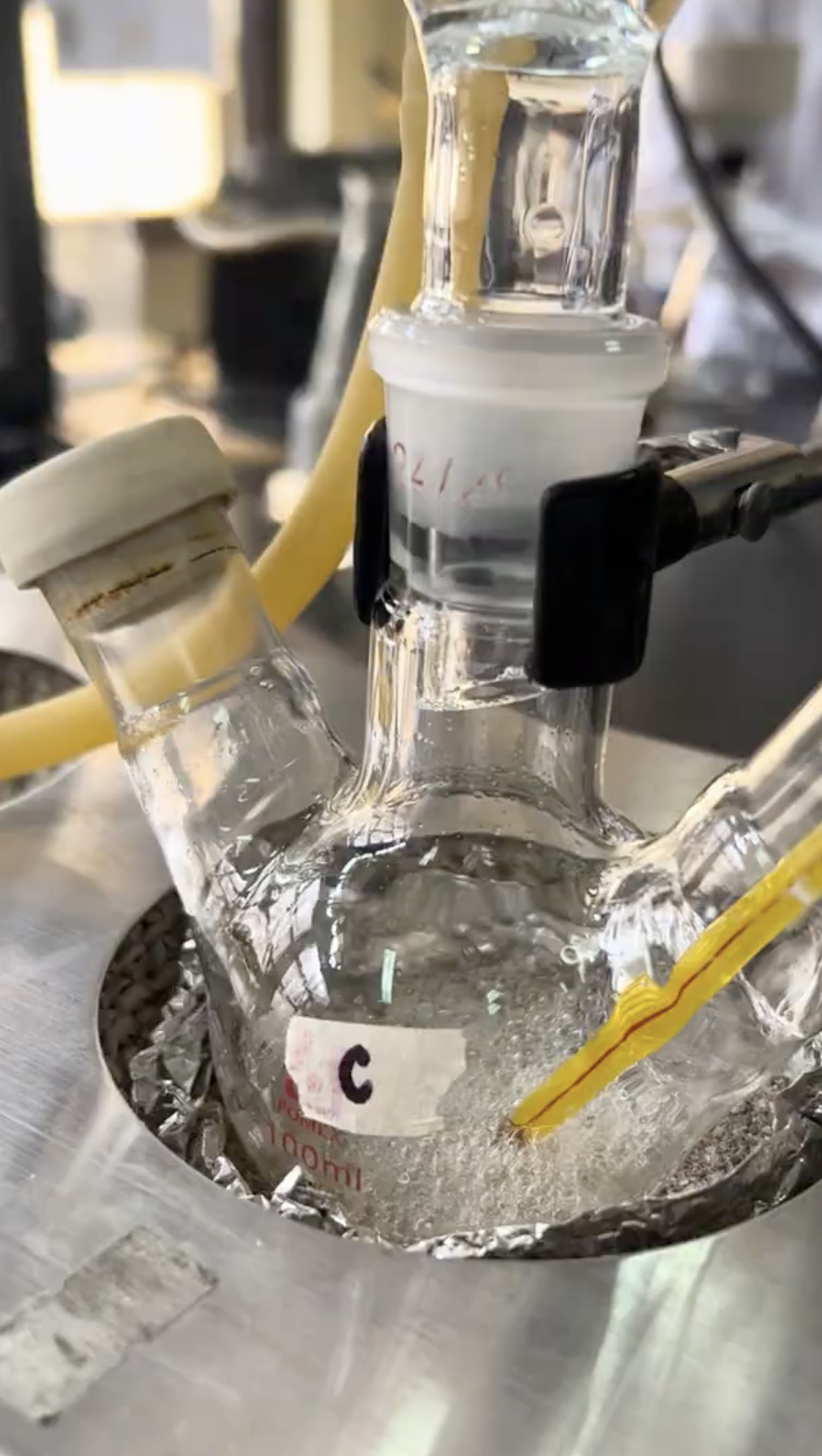
Techniques and methods of synthesis and structural analyses of pharmaceutically relevant organic compounds.
Course Outcomes:
- Perform synthesis of pharmaceutically relevant organic compounds
- Characterize organic compounds based on their physicochemical properties
General concepts in pharmacology and study of antimicrobials and drugs affecting the autonomic and central nervous systems.
Course Outcomes:
- Discuss concepts in pharmacokinetics and of pharmacodynamics in relation to the drug development process and target patient outcomes in clinical practice in the context of the antimicrobial drugs and drugs affecting the autonomic and central nervous systems;
- Characterize antimicrobial drugs and drugs affecting the autonomic and central nervous systems according therapeutic indications and physiologic effects.
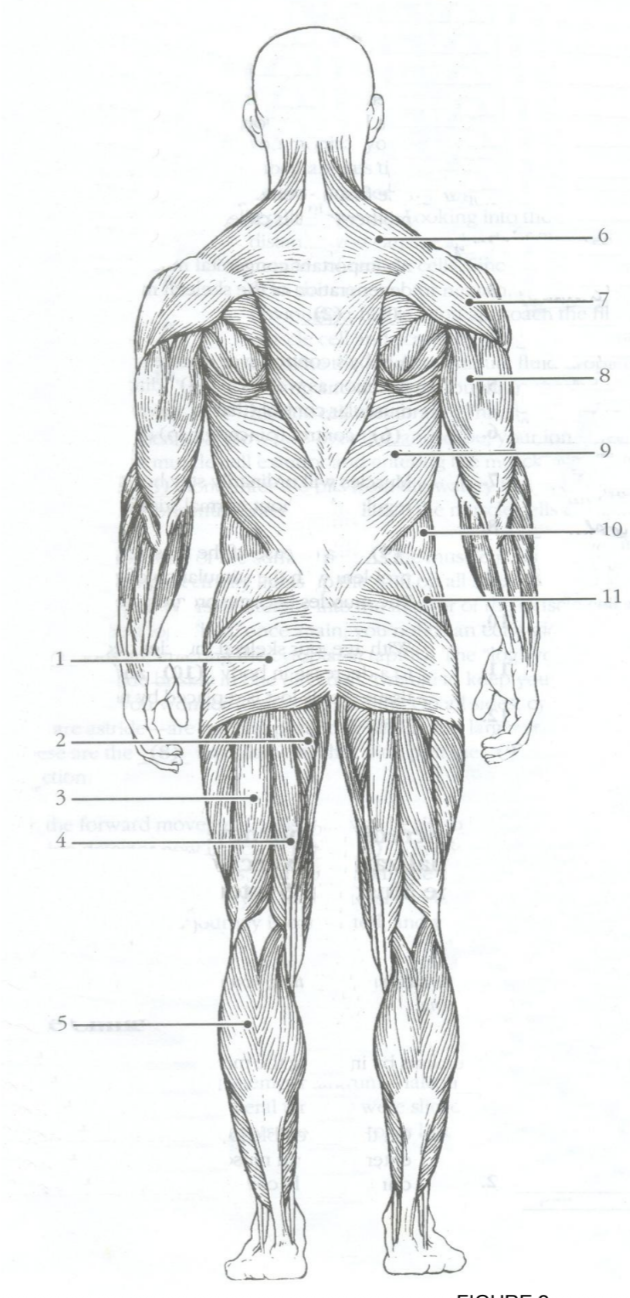
Structures and functions of the human integumentary, skeletal, muscular, lymphatic and immune, and nervous systems
Course Outcomes:
- Identify the structures that comprise the integumentary, skeletal, muscular, lymphatic, immune, and nervous systems of the human body
- Explain the function of each structure involved in the integumentary, skeletal, muscular, lymphatic, immune, and nervous systems and its relationship with other parts of the human body
- Explain the cellular and chemical basis of the different processes that take place in each organ in the integumentary, skeletal, muscular, lymphatic, immune, and nervous systems that are necessary for its normal function
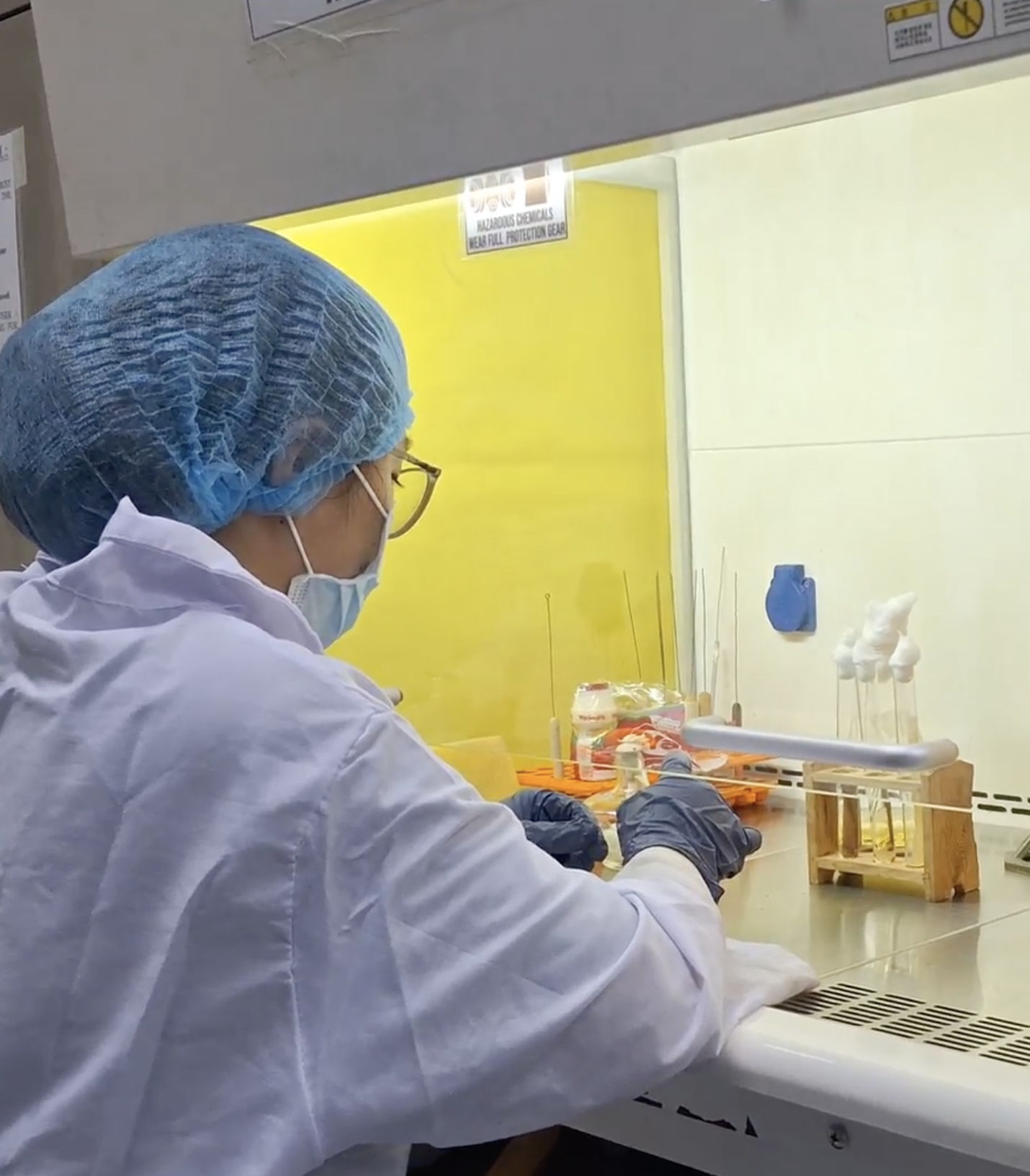
Integration of bacteriology, virology, mycology, parasitology, and immunology as applied in the management of infectious diseases, pharmaceutical quality control and biotechnology.
Course Outcomes:
- Explain the epidemiology pathogenesis of infectious diseases according to body systems;
- Characterize important microorganisms, viruses, and parasites, according to their morphology, growth and other biochemical requirements; and,
- Describe the practical applications of microbiology and parasitology in pharmaceutical quality control, biotechnology, and related industries.
At the end of their third year, the students must be able to:
Core
1. Apply good management skills in pharmacy practice;
2. Relate physicochemical, biological, and physiological concepts to pharmacy;
3. Integrate knowledge in organic medicinals to drug development and patient care;
4. Explain the unit operations involved in the manufacture of pharmaceutical products;
5. Evaluate scientific evidence for research and decision-making;
6. Perform basic accounting processes;
7. Interpret prescriptions correctly;
8. Demonstrate analytical and problem-solving skills in dispensing medicines;
9. Explain the underlying mechanisms behind chemical and drug toxicities; and,
10. Analyze the potential of biotechnology in advancing drug development and patient care.
Major
1. Communicate information effectively;
2. Manufacture pharmaceutical products according to official standards and regulatory guidelines;
3. Demonstrate skills in ensuring quality of pharmaceutical products and services;
4. Apply knowledge in chemistry to pharmacy; and,
5. Interpret information used in pharmaceutical care and pharmacy operations.

Production and quality control testing of pharmaceutical products based on the principles of Good Manufacturing Practices
Course Outcomes:
- Discuss the basic requirements in Good Manufacturing Practices
- Discuss the basic concepts of manufacturing and quality control,
- Discuss the basic quality control parameters of raw materials, intermediate products, and finished products; and,
- Analyze problems involving unit operations in the manufacture of pharmaceuticals
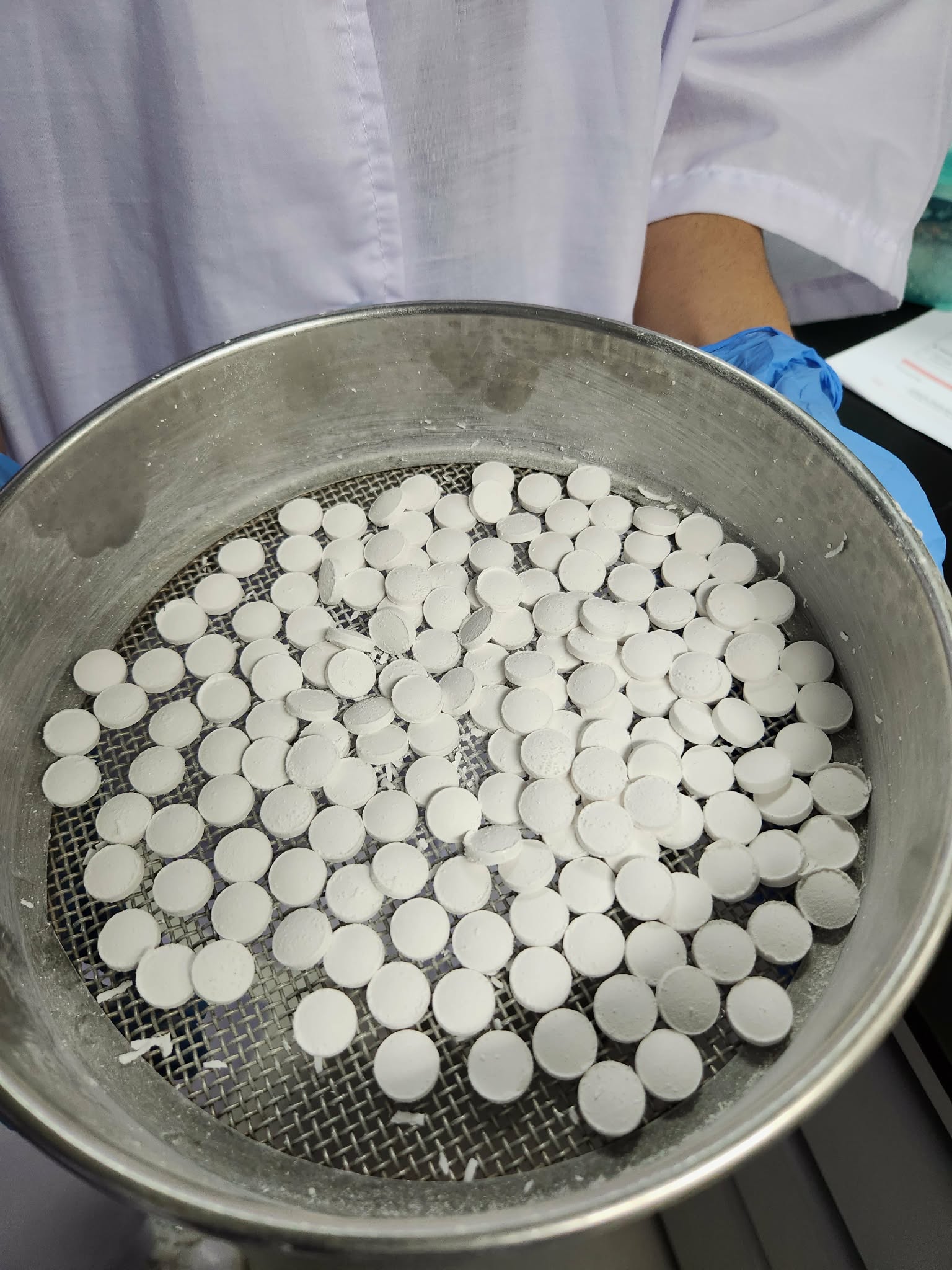
Techniques in production and quality control testing, including pharmaceutical microbiology, of pharmaceutical products.
Course Outcomes:
- Prepare documents related to the manufacturing and quality control process of raw materials and finished products
- Prepare selected pharmaceutical products;
- Perform quality control tests;
- Perform stability testing of finished products
- Solve problems encountered during the manufacturing process
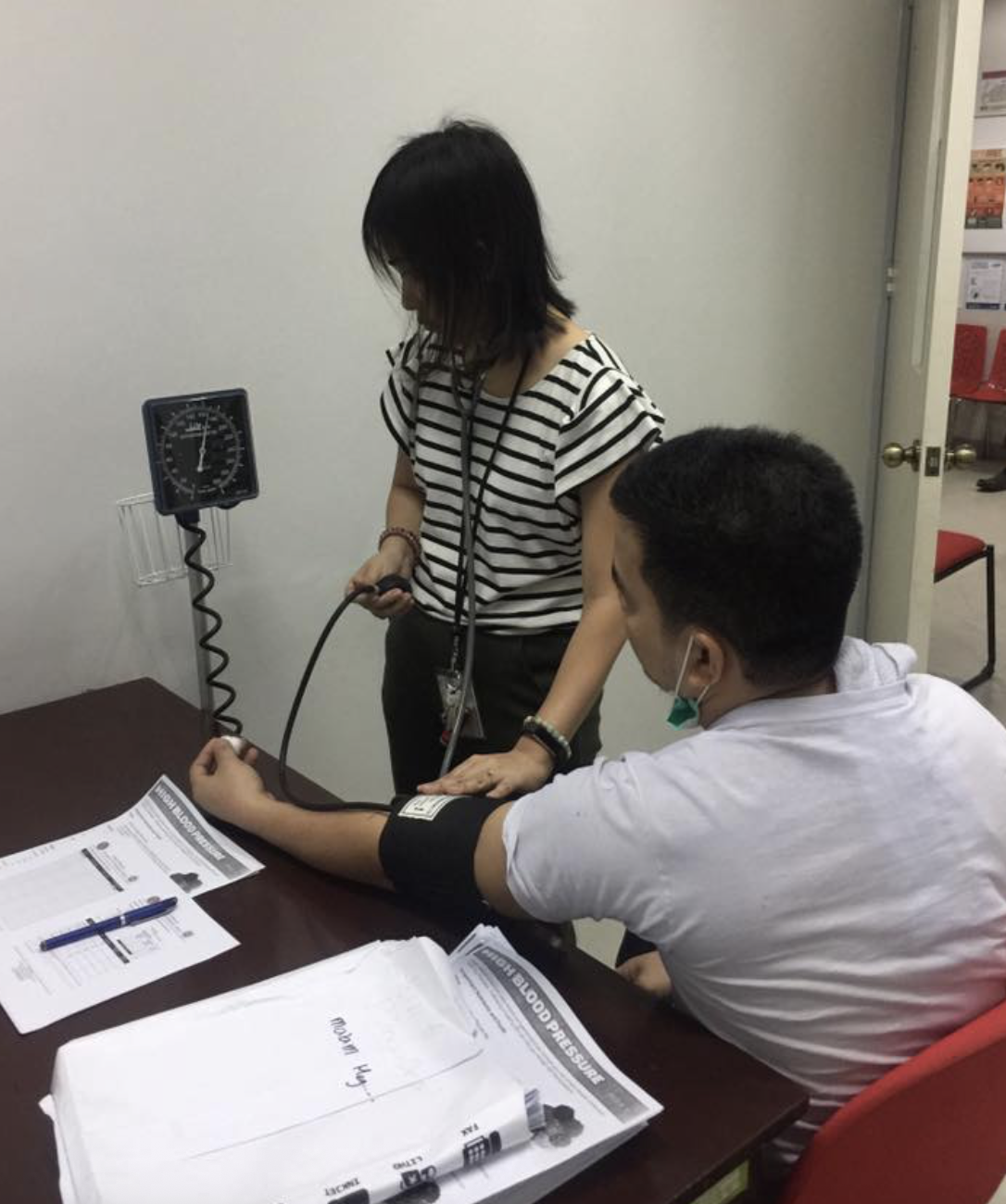
Structures and functions of the human respiratory, hematopoietic, cardiovascular, digestive, endocrine, genitourinary, and reproductive systems
Course Outcomes:
- Identify the structures that comprise the respiratory, hematopoietic, cardiovascular, digestive, endocrine, genitourinary, and reproductive systems of the human body
- Explain the function of each structure involved in the respiratory, hematopoietic, cardiovascular, digestive, endocrine, genitourinary, and reproductive systems and its relationship with other parts of the human body
- Explain the cellular and chemical basis of the different processes that take place in each organ in the respiratory, hematopoietic, cardiovascular, digestive, endocrine, genitourinary, and reproductive systems that are necessary for its normal function.

Pharmacology of autacoids, pain medicines and drugs affecting the musculo-skeletal, respiratory, hematopoietic, digestive, cardiovascular, and endocrine, genitourinary, and reproductive systems.
Course Outcomes:
- Discuss concepts in pharmacokinetics and of pharmacodynamics in relation to the drug development process and target patient outcomes in clinical practice in the context of autacoids, pain medicines and drugs affecting the respiratory, digestive, cardiovascular, and endocrine systems; and
- Characterize autacoids, pain medicines and drugs affecting the respiratory, digestive, cardiovascular, and endocrine systems according to therapeutic indications and physiologic effects.
Study of the mechanisms of toxicity, clinical signs and symptoms, laboratory tests, risk assessment and management, design of recovery procedures of pharmaceutical toxicants
Course Outcomes:
- Discuss the concepts and principles of toxicology;
- Discuss the concepts and principles of toxicology;
- Discuss the mechanisms of action of pharmaceutical toxicants and management of incidents of toxicity;
- Prepare a risk management plan using an appropriate risk assessment tool; and,
- Select appropriate recovery procedures in possible incidents of toxicity.
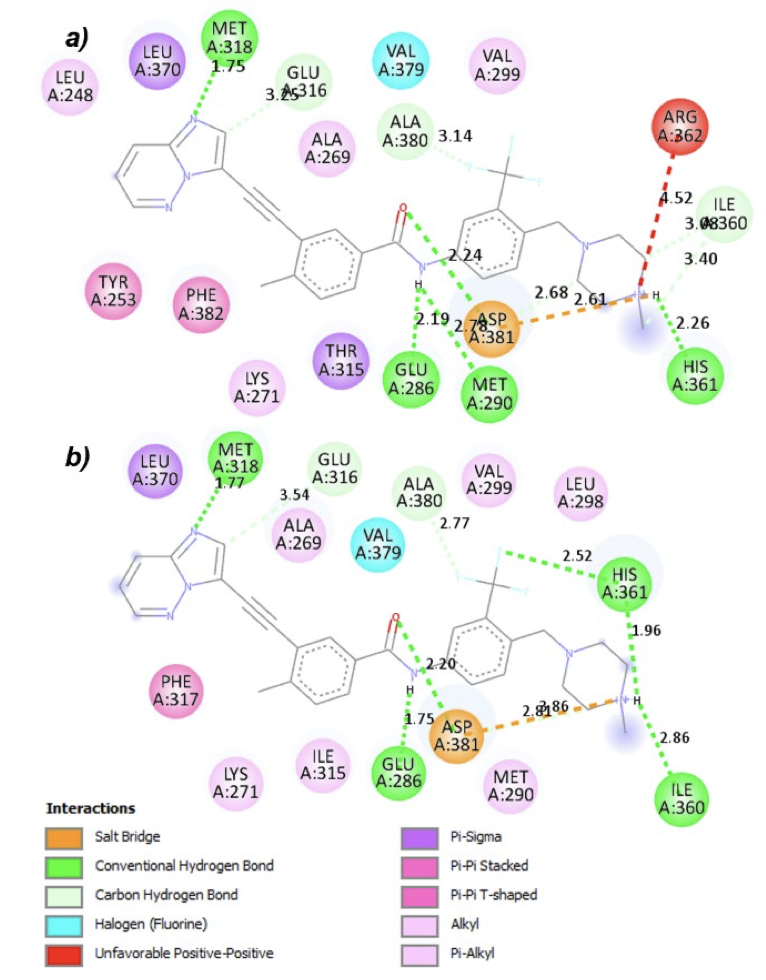
Pharmacy and chemistry of natural, semisynthetic, and synthetic organic medicinals with application to drug design and development
Course Outcomes:
- Discuss the basic considerations in drug design.
- Analyze the mechanism of action, degree of biological activity, and metabolic fate of drugs based on their structures
- Analyze selected cases of discovery, design, and development of a drug
Financial and managerial accounting as applied to various areas of pharmacy practice
Course Outcomes:
- Prepare financial statements
- Explain proper accounting for inventory and cost of goods sold
- Compute and interpret financial ratios
- Prepare operating and cash budgets
- Compute the price of pharmaceutical products and services based on their costs and perform breakeven analysis.
- Apply differential analysis in various case situations
- Defend capital investment decisions based on sound financial analysis
- Prepare Sources and Uses of cash statements
- Prepare books of accounts of basic financial transactions (bookkeeping).
- Evaluate steps in improving cash flow in the operation of a pharmacy.

Fundamental, human resources, and strategic management and business planning principles and concepts, applicable to the pharmaceutical and health care institutions (industry)
Course Outcomes:
- Discuss general management and leadership concepts and principles
- Discuss human resource management practices
- Apply the principles of strategic management and business planning relevant to the pharmaceutical and health care institutions
Fundamentals and design of pharmaceutical research
Course Outcomes:
- Construct each part of a pharmaceutical research paper appropriately.
- Outline the registration requirements of pharmaceutical research.
- Analyze scientific papers relevant to the practice of pharmacy

Principles and general procedures of dispensing pharmaceuticals
Course Outcomes:
- Discuss the proper distribution and control of medications
- Prepare a prescription order in accordance with standard practice guidelines
- Dispense appropriate medications to ensure their effective, safe, and economic use
- Provide recommendations to address drug interactions
- Manage physico-chemical incompatibilities during compounding
- Provide adequate health information during dispensing
- Practice reporting of drug product defect and adverse drug reactions
Appropriate drug regimens for specific clinical conditions
Course Outcomes:
- Discuss briefly the pathophysiology of common diseases or disorders.
- Explain the relationship between pathophysiology and drug therapy.
- Discuss the different drugs used for a particular disorder based on established treatment protocols or guidelines.
- Discuss the different treatment protocols or guidelines established by specialty societies or health organizations for specific disorders.
- Determine the appropriateness of a drug therapy based on patient-specific and drug-specific parameters.
Principles and practices to promote safety and welfare of patients in the use of medicines
Course Outcomes:
- Describe the organization of a hospital and activities in the hospital pharmacy division;
- Discuss drug management cycle in the context of hospital pharmacy operations;
- Discuss risks and errors associated with the use of medicines;
- Explain the roles of pharmacists in the detection and prevention of errors in medication

Chemistry of Medicinal Natural Products
Course Outcomes:
- Classify natural products based on biosynthetic origins
- Relate the chemistry of biological active principles to their pharmaceutical or medicinal indications;
- Explain the effect of agronomic conditions to the biosynthesis of natural products.
- Practice techniques in the isolation of natural products.
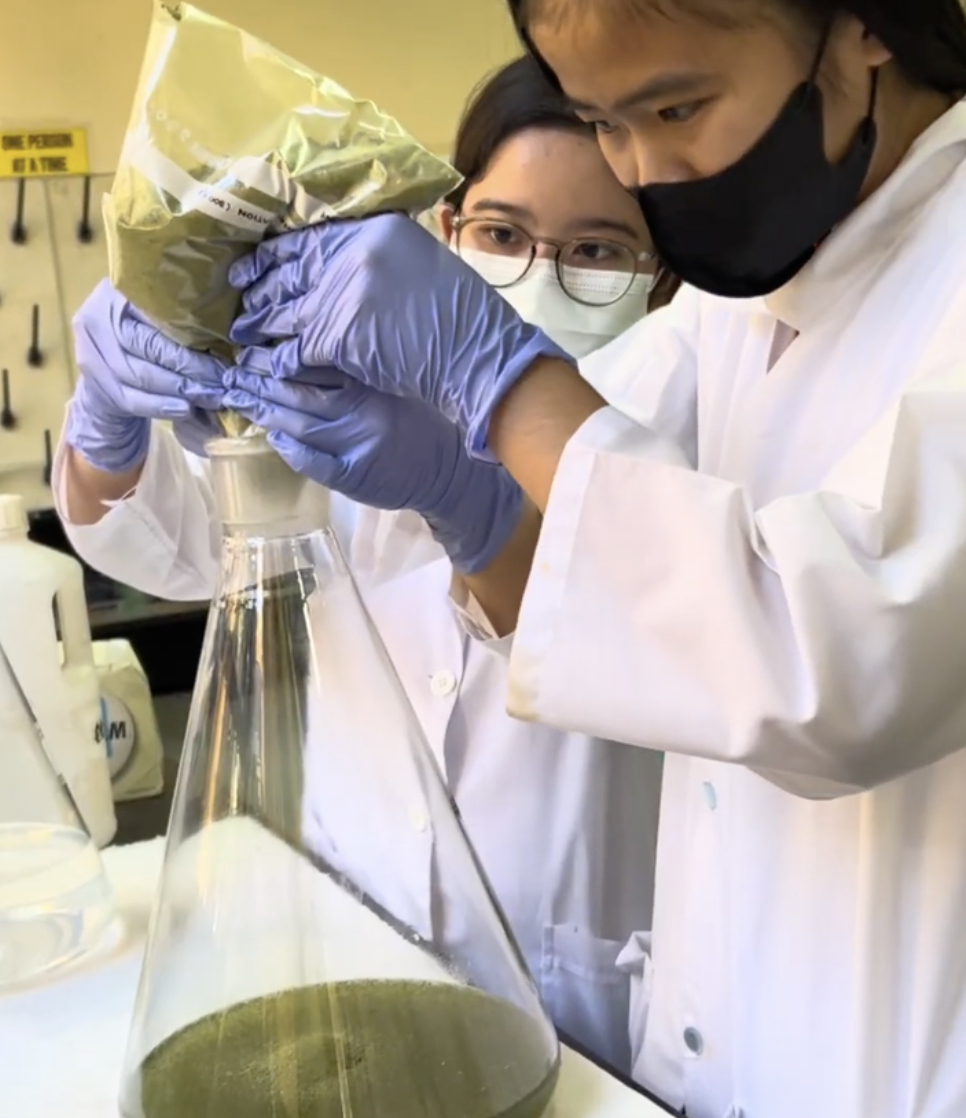
Principles and techniques in sourcing, extraction, isolation and analysis of crude drugs and natural products
Course Outcomes:
- Explain the principles of processing crude drugs
- Discuss the processes involved in the analysis and isolation of natural products
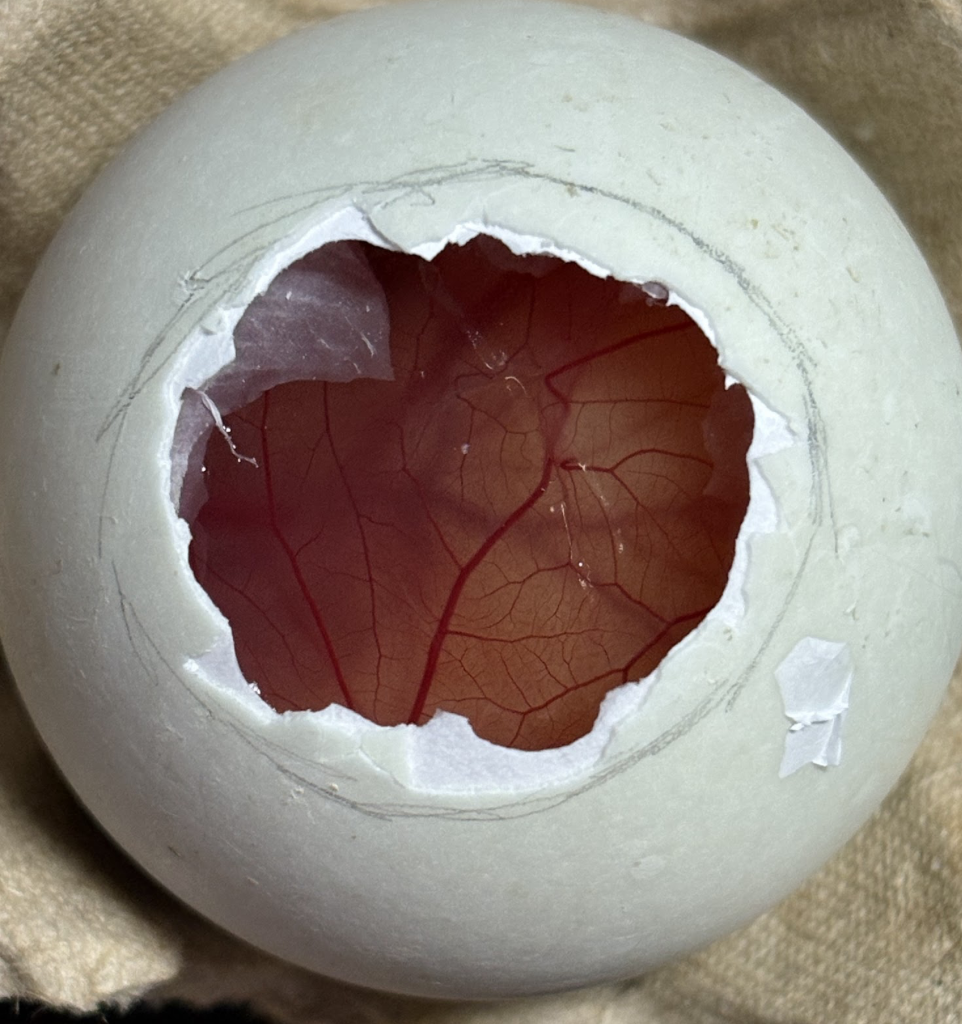
Evaluation and development of biological assay
Course Outcomes:
- Select an appropriate method of biological assay for a given situation
- Explain the process of designing an appropriate biological assay
- Identify validation parameters appropriate for a new bioassay
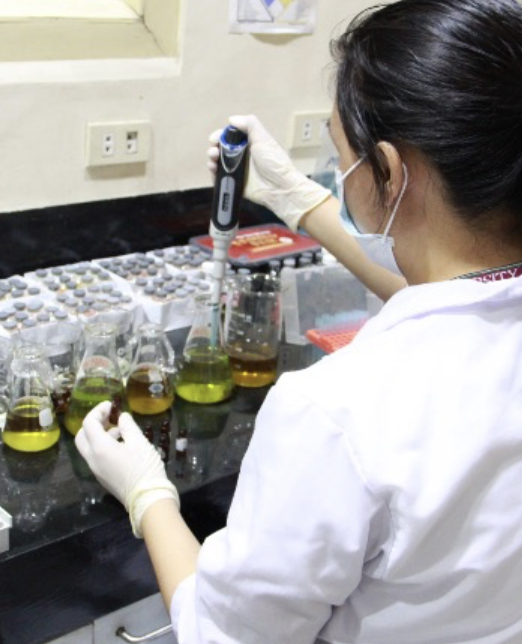
Techniques in the bioassay and analysis of crude drugs, natural products, and new active pharmaceutical ingredients
Course Outcomes:
- Explain the analysis of crude drugs and natural products
- Examine raw materials, impurities, drug products, and other pharmaceutically important crude drugs and natural products.
- Perform appropriate bioassays for different pharmaceutical agents
- Interpret the results of a biological assay
- Validate the bioassay used in the analysis of the crude extract
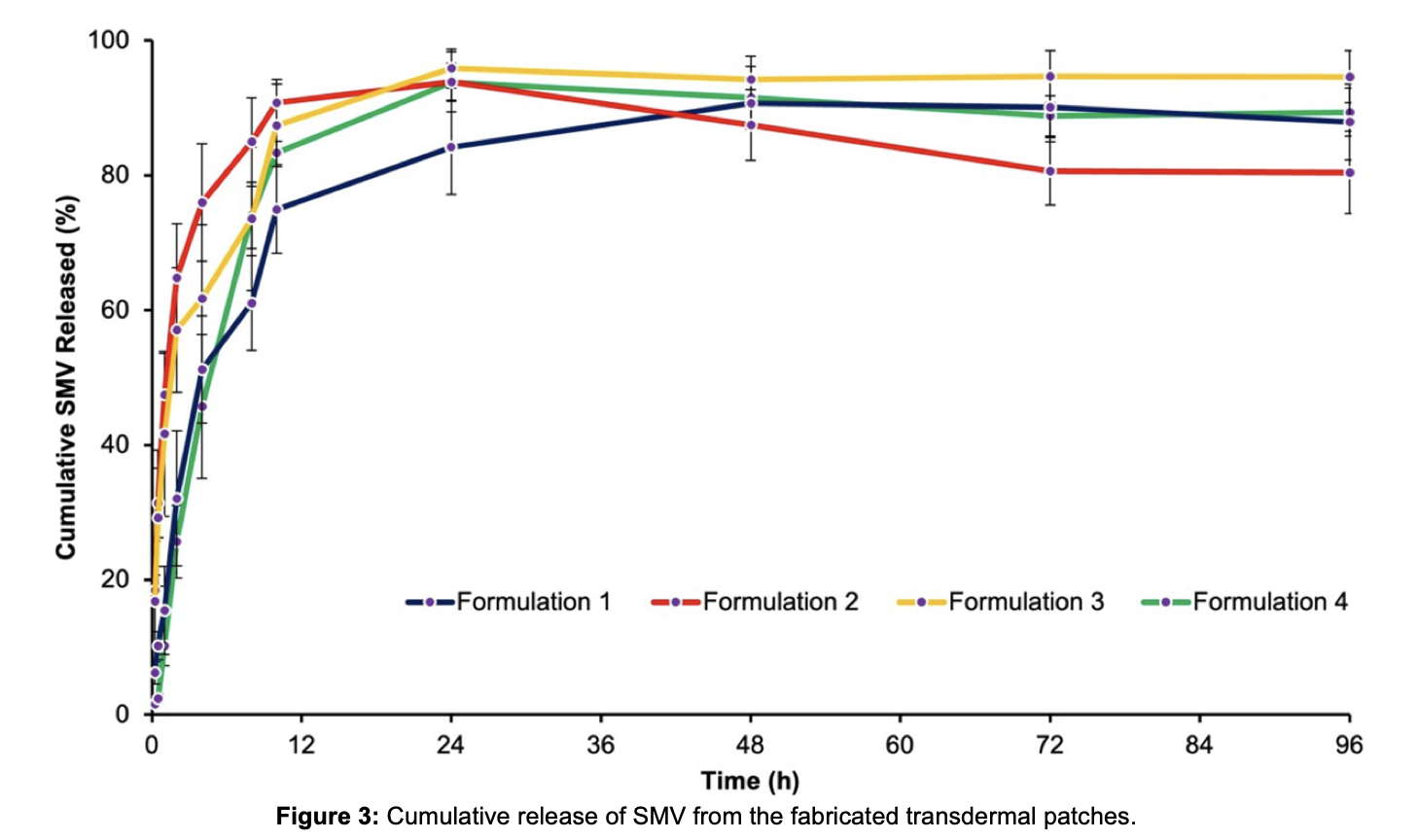
Integration of in vitro, preclinical, and clinical pharmacokinetics and pharmacodynamics in drug product development
Course Outcomes:
- Analyze pharmacokinetic parameters using compartment modeling;
- Evaluate the bioavailability of an API using physiologically-based models; and,
- Analyze drug effect using physiologically-based models
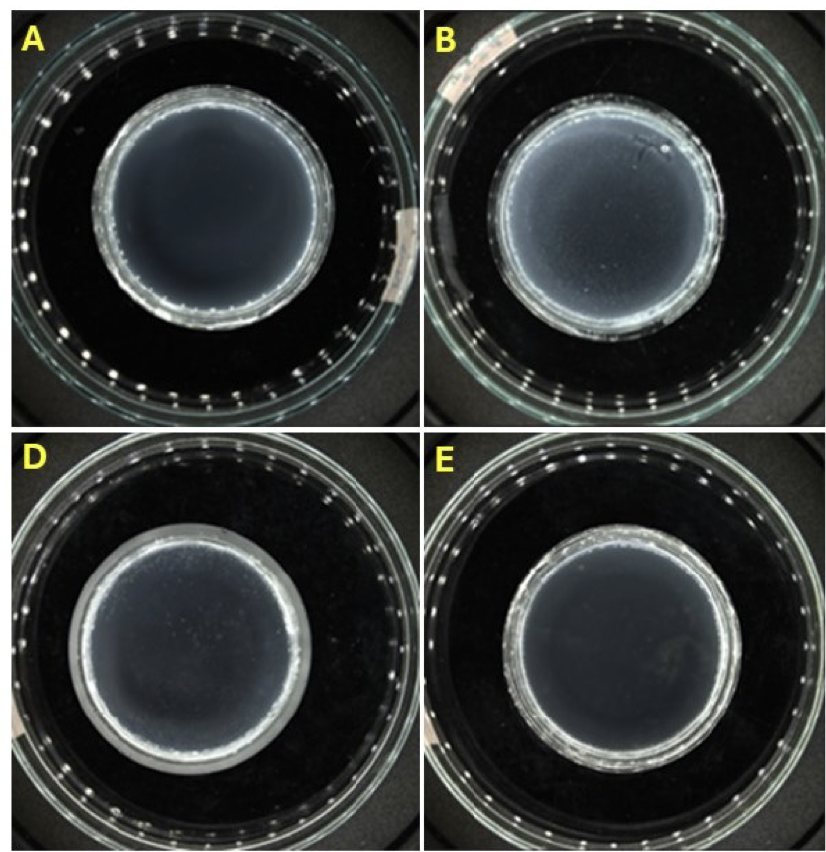
Production and applications of biotechnology-derived articles
Course Outcomes:
- Discuss scientific principles, methods and processes of biotechnology as applied in pharmaceutical product development
- Characterize selected biotechnology products, both marketed and pipeline, in terms of indications, advantages and limitations
Effective communication of information in the field of pharmacy
Course Outcomes:
- Communicate drug information through oral and written means; and
- Engage in discussions with pharmacy stakeholders